How We Get to You
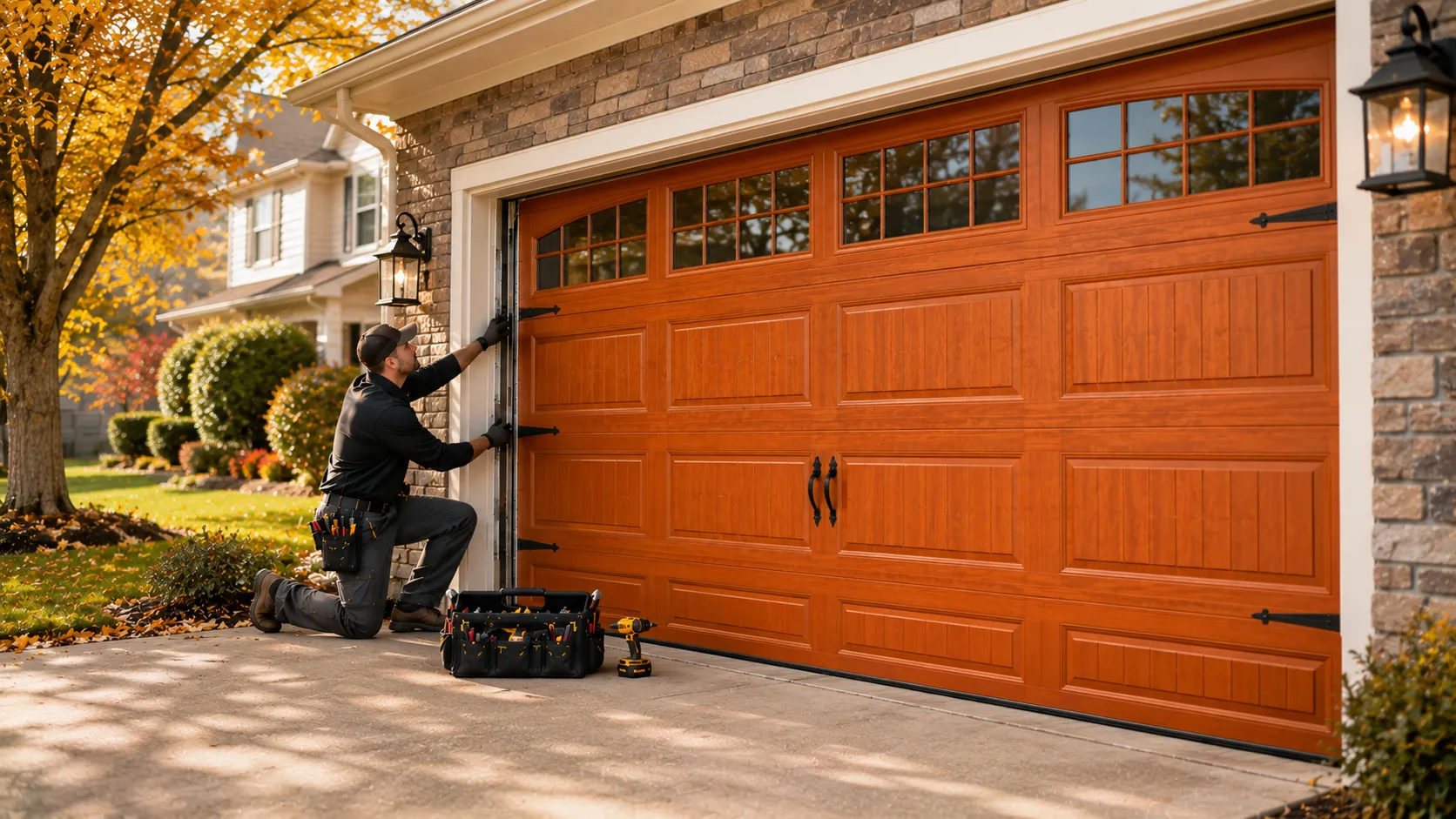
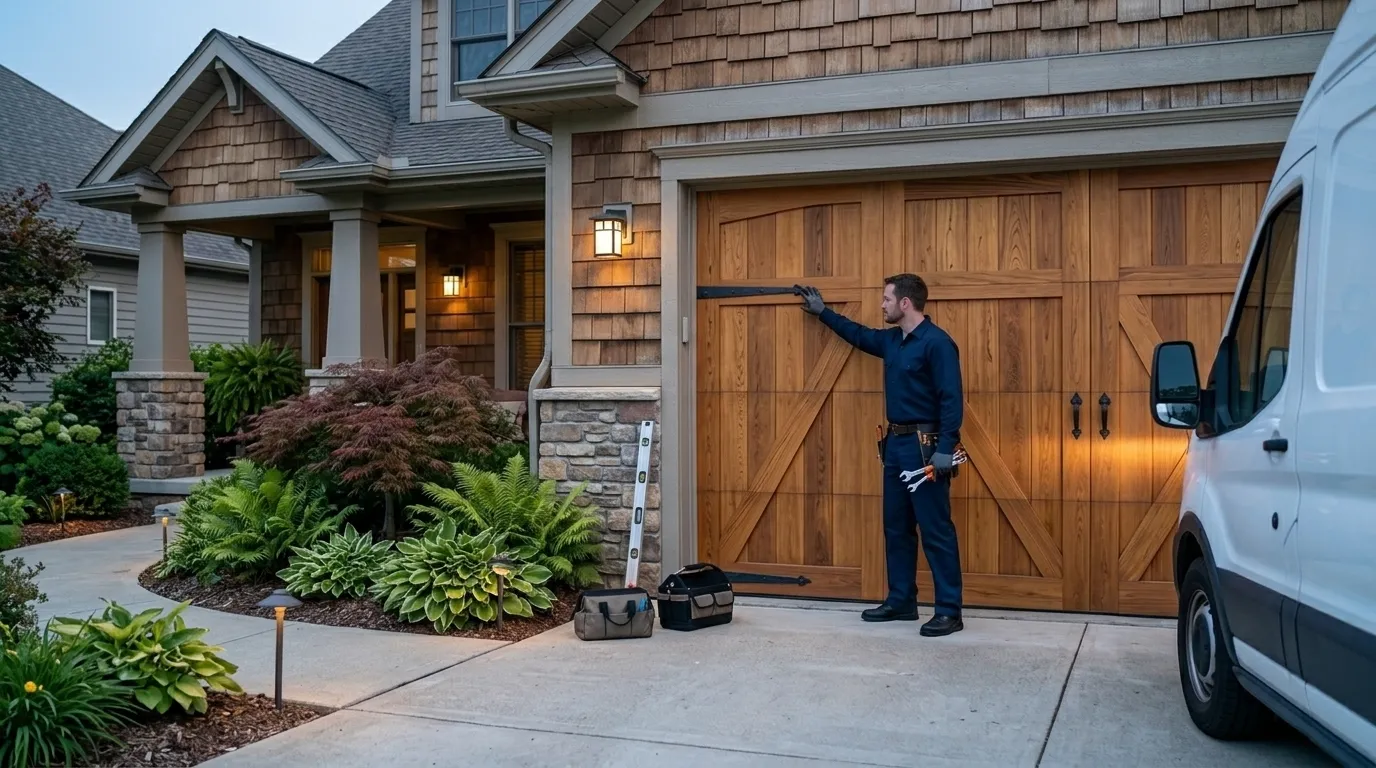
Westchester sits about 20 miles from our Northbrook shop, which puts it toward the far end of our route rather than the middle of it. We don't pretend to have a depot here or a truck sitting around the corner. What we do have is a standing route that runs this way, and we schedule Westchester calls in blocks so a tech isn't making the drive for one job at a time.
That distance matters more for same-day scheduling than for the work itself. A broken spring is a broken spring whether we're five miles out or twenty. But if you call at 4pm on a Friday expecting someone by 5, the honest answer is that a longer drive changes what's realistic that day. We'd rather tell you that up front than promise a window we can't hit.
What That Means for Doors
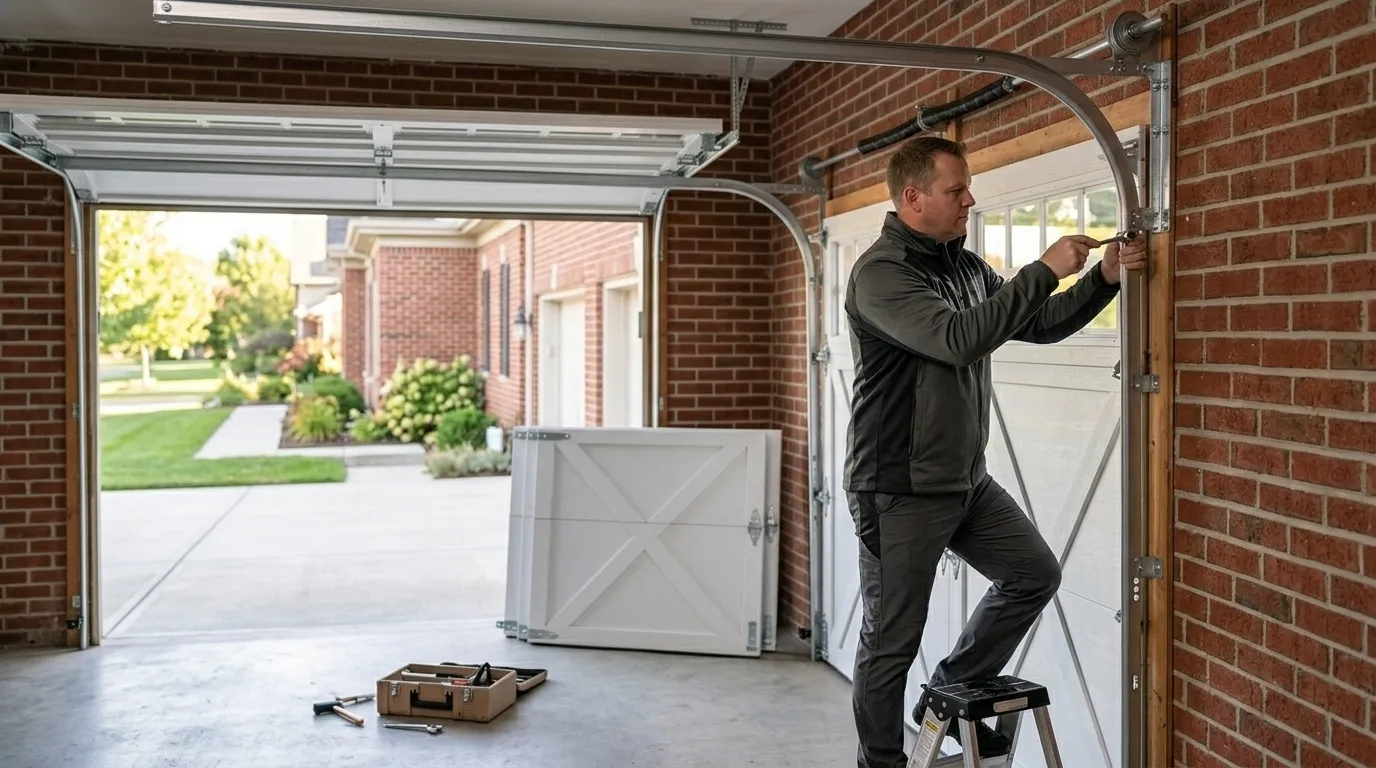
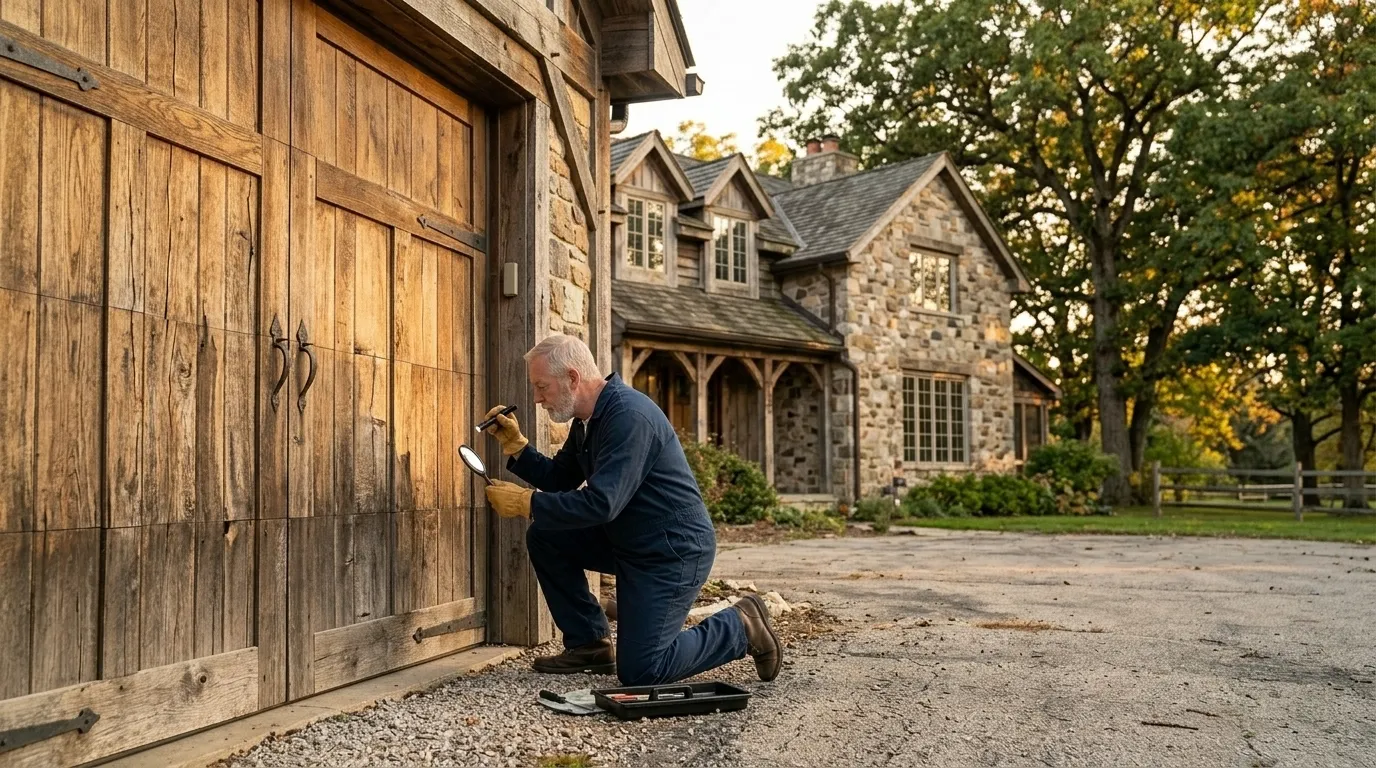
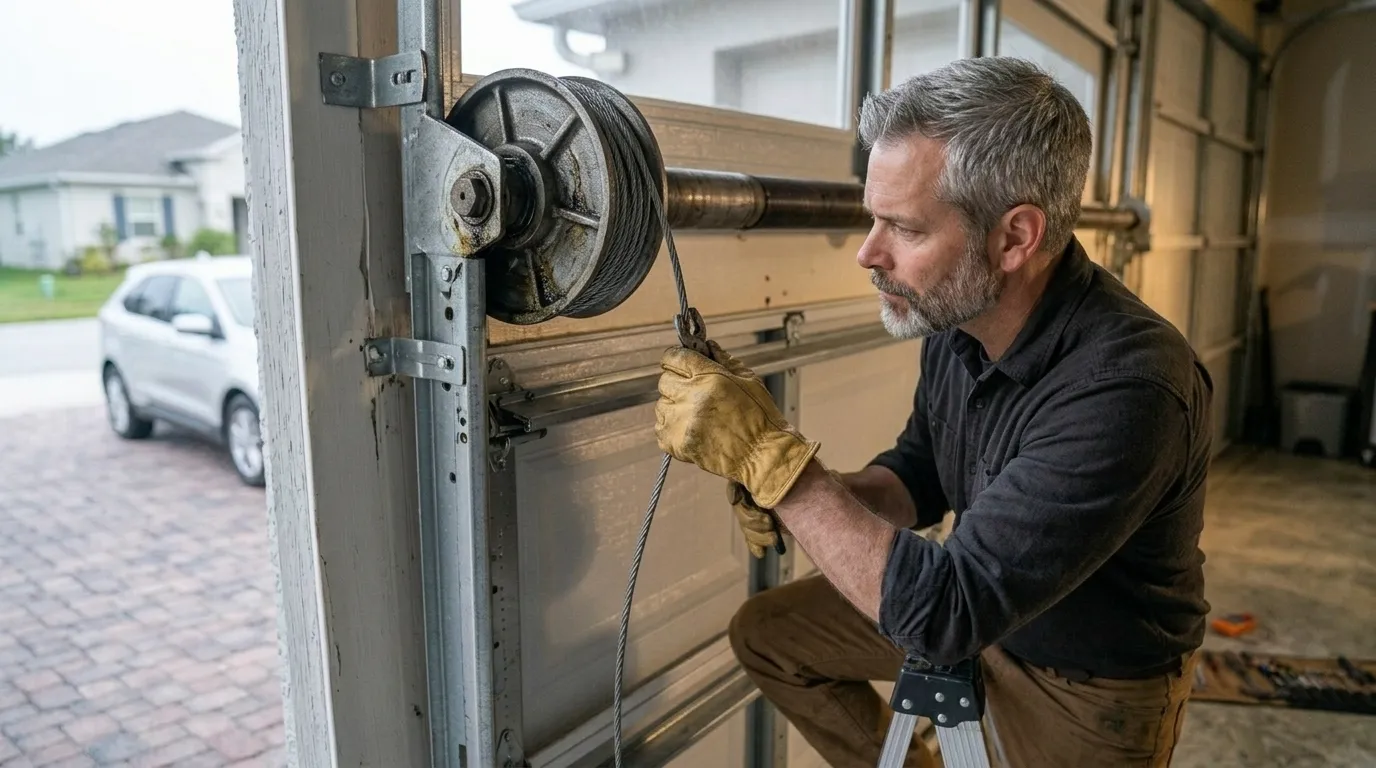
The service area we cover overall has a median build year of 1974, but Westchester's housing mostly went up around 1957. That's not a small difference. Doors and openers installed on houses from that era were built to specs that stopped being standard decades ago - narrower track gauges, older-style torsion drums, and in some cases hardware that was never upgraded when the door itself got swapped out at some point.
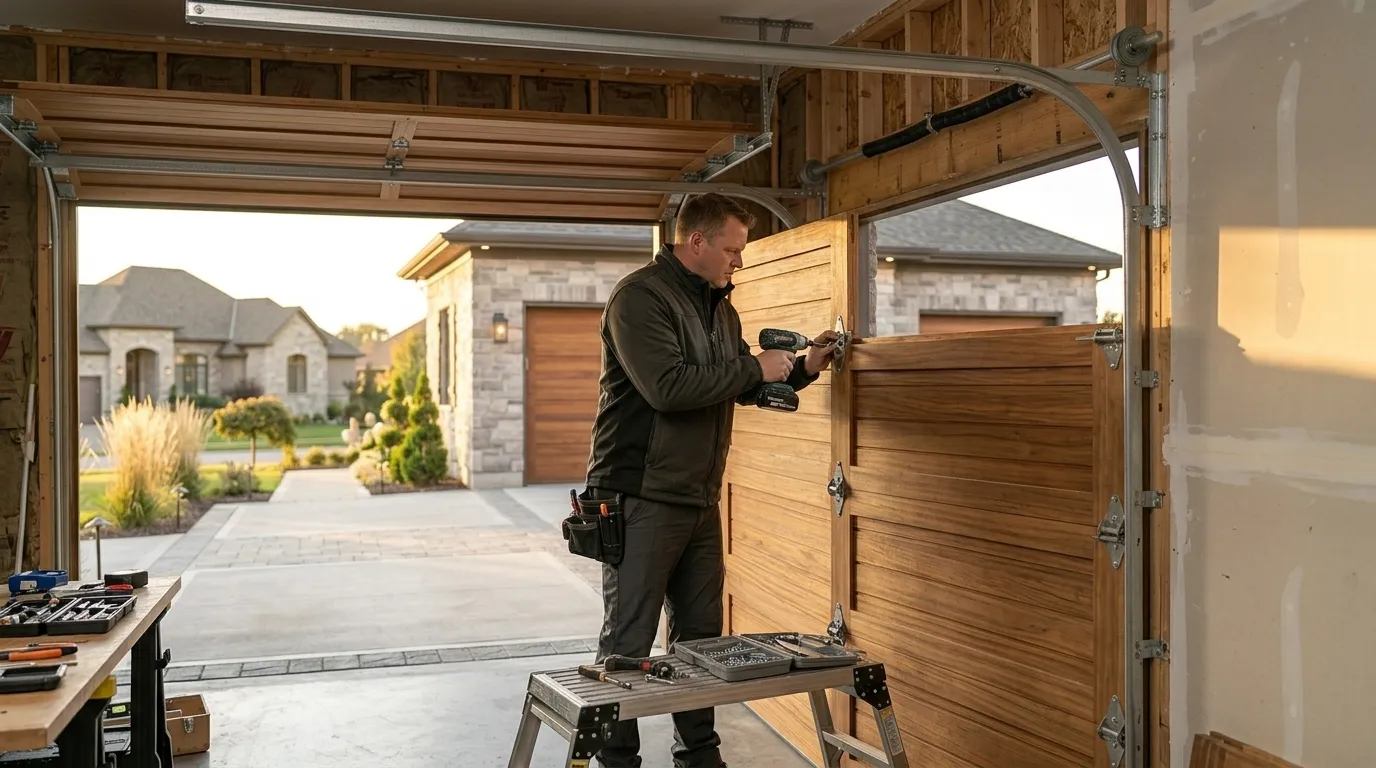
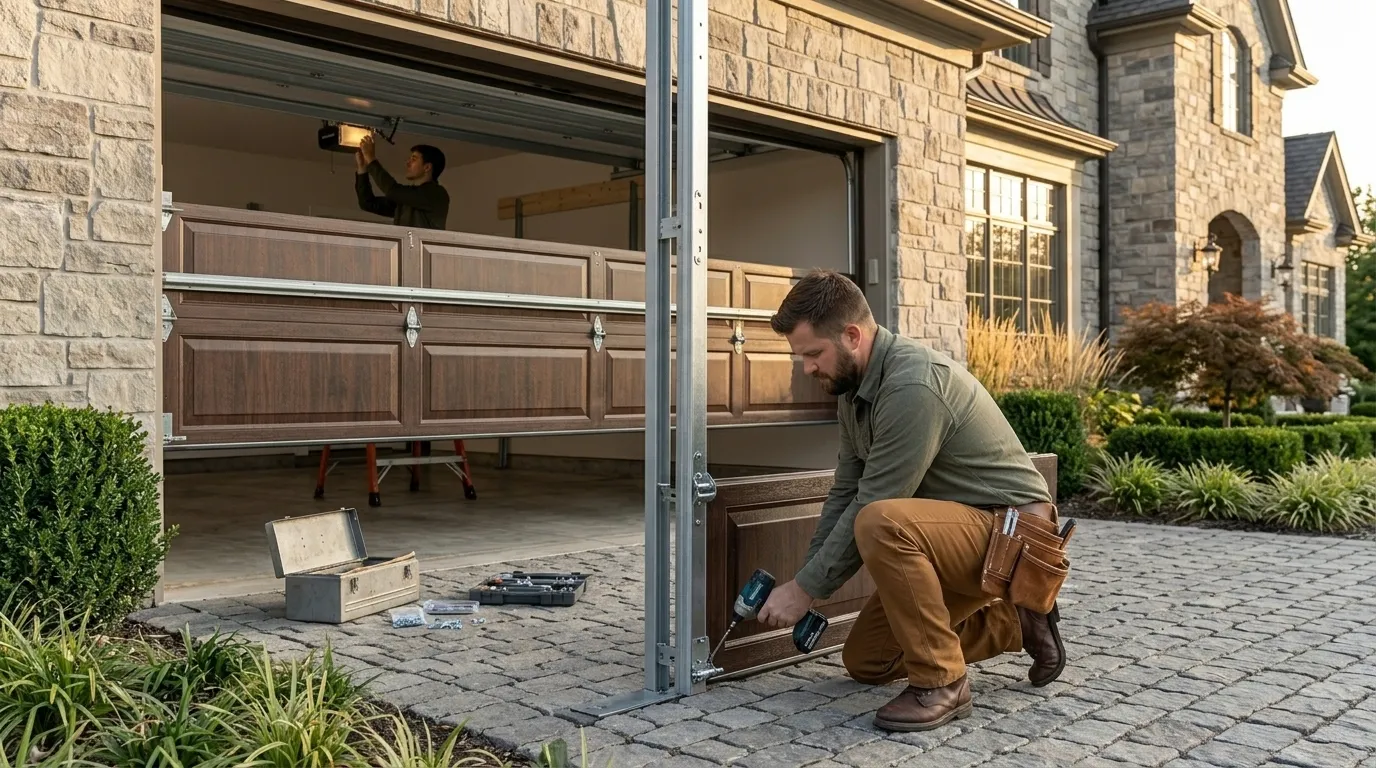
We see this pattern a lot in the older sections of our coverage area: a homeowner replaced the door panels sometime in the last twenty years but kept the original spring and track hardware because it still worked. That combination is fine until it isn't, and when it fails, the fix usually means sourcing parts that don't match what a big-box store carries off the shelf. It's slower than a same-year system, and we tell people that before we start, not after.
What Was Built Here
Across the roughly 7,084 households in Westchester, the housing skews older than the broader service area's mix - which itself runs from 1938 to 1996 across 61 named communities. A 1957 median build year means most garages here were framed for single doors or narrower double bays than what gets built today, and many still run on the original opener rail even after a door swap.
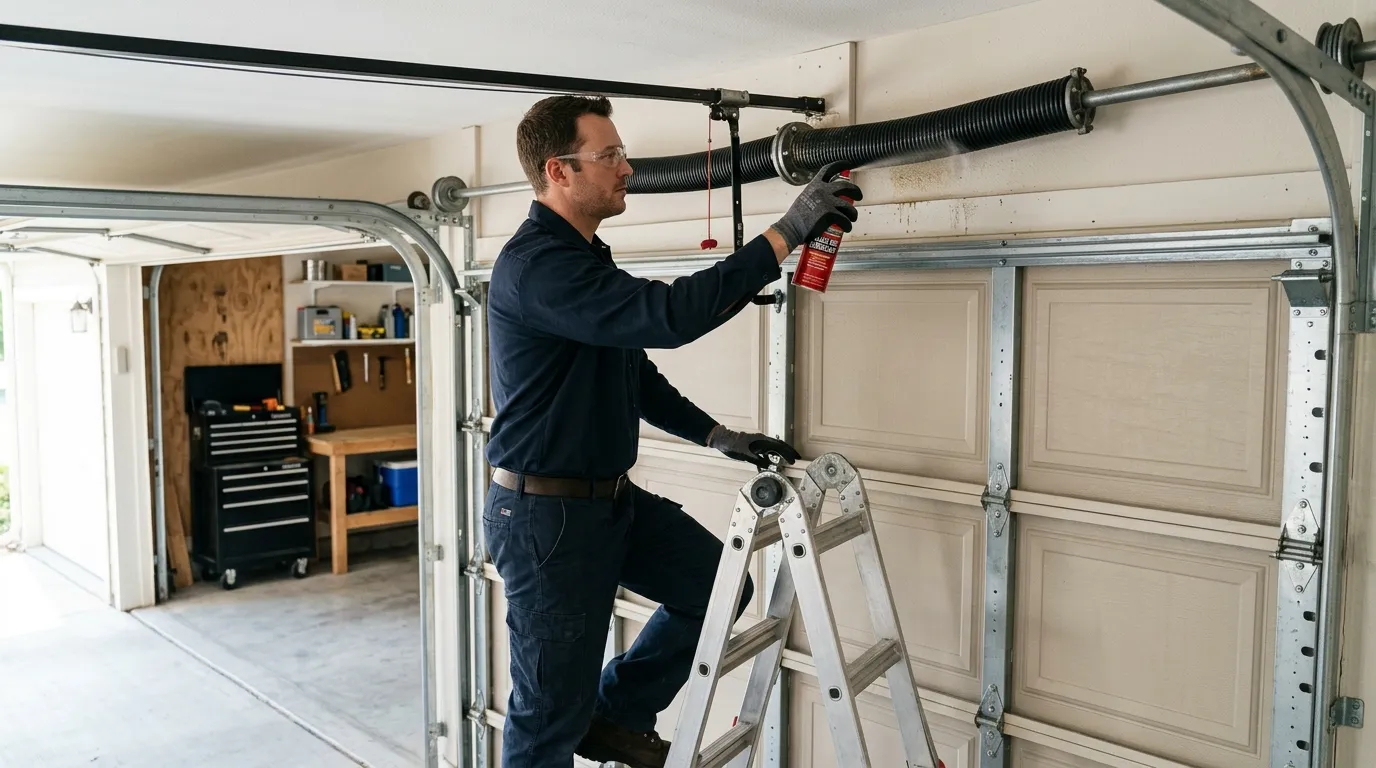
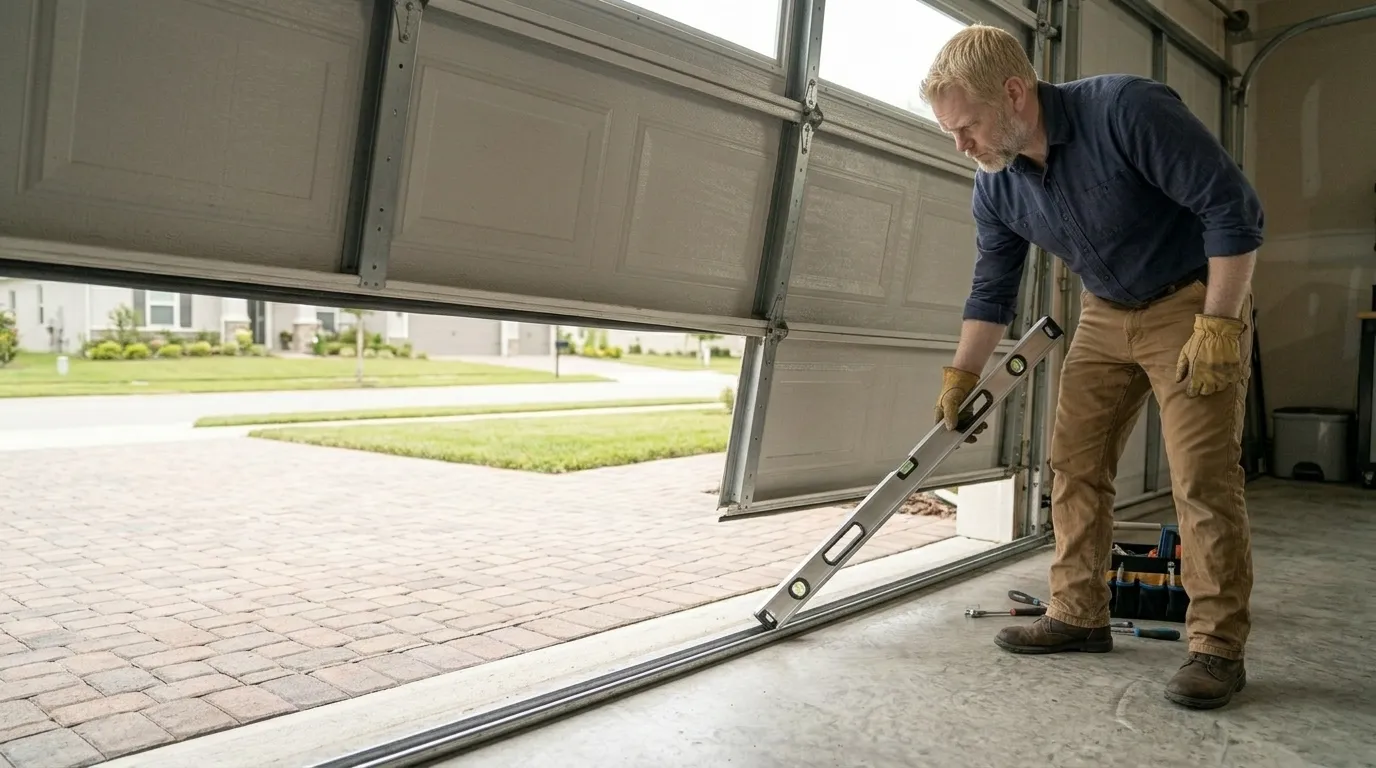
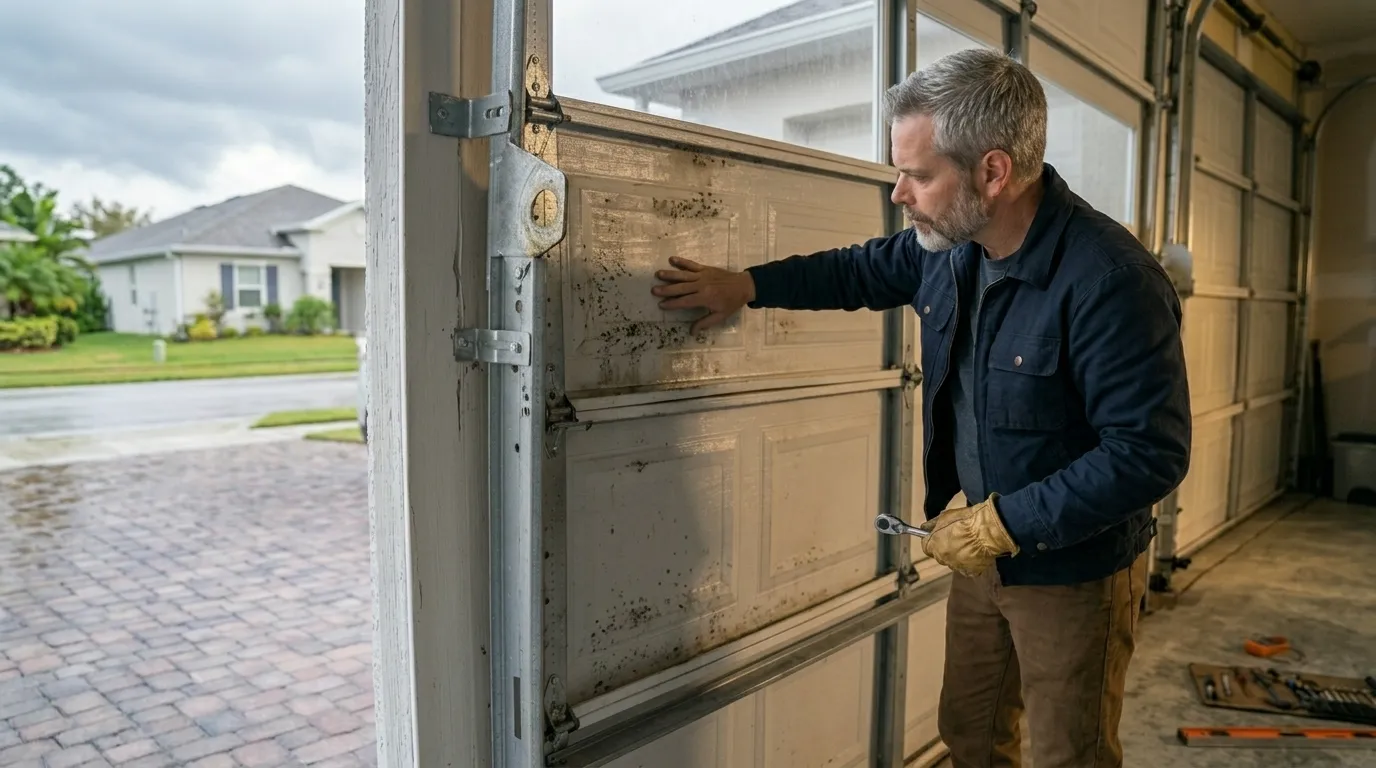
Cold-climate stress on that older hardware shows up as stiff torsion springs, dried-out rollers, and cables that have worked past their rated cycles. None of that is unique to Westchester, but the age of the housing stock here makes it more common than in newer pockets of the service area. If a spring on a 1957-era door has never been replaced, it's due - not because of a mileage number, but because that's simply longer than these springs are built to last.